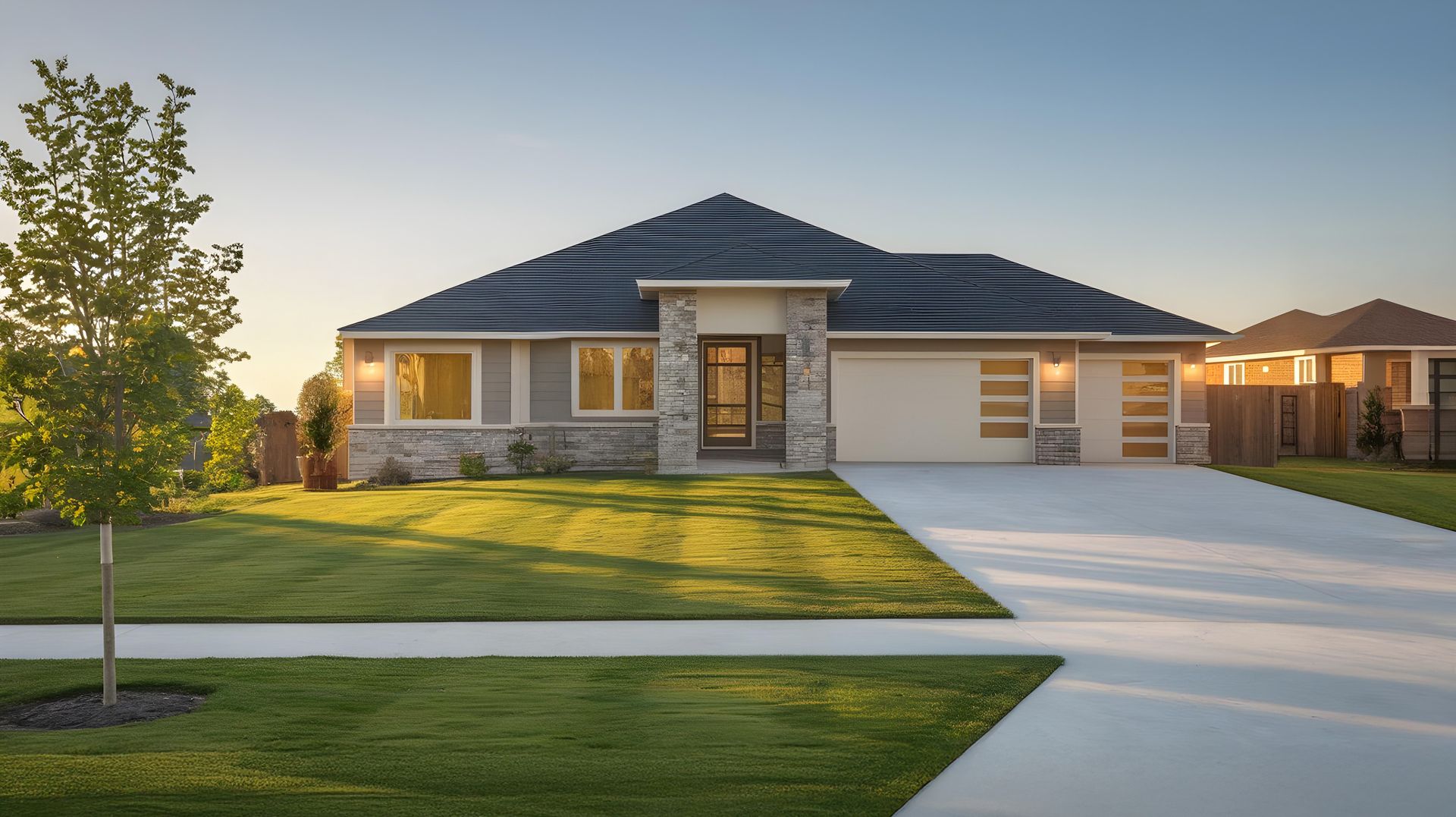
Converting a garage into usable living space, whether a home office, ADU, guest suite, or workout room, is one of the most effective ways to increase your home’s value and functionality. But garage conversions in San Francisco come with strict permitting requirements, structural considerations, and design challenges that homeowners often overlook.
At
We Do Construction LLC, we’ve helped countless Bay Area homeowners transform outdated garages into beautiful, code-compliant spaces. To help you avoid costly setbacks, here are the most common mistakes people encounter during garage conversions and how to prevent them.
1. Skipping Required Permits
One of the most expensive mistakes homeowners make is beginning a garage conversion without securing all necessary permits. San Francisco has detailed standards for structural upgrades, electrical work, plumbing, fire safety, and ADU construction. Without proper permits, homeowners risk stop-work orders, fines, issues during resale, and in some cases, the city may require demolition or major corrections.
Permits exist to protect your investment and ensure your new living space meets all safety and zoning requirements. If you’re unsure where to start, our team handles the entire permitting process to keep your project compliant and stress-free.
2. Ignoring Proper Insulation
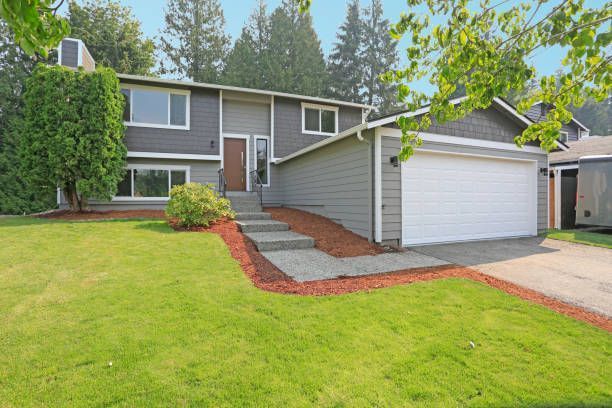
Garages were rarely built for comfortable year-round living, which makes insulation one of the most important upgrades in any conversion. Without adequate insulation, the room may become unbearably hot in summer, freezing in winter, and prone to moisture buildup. Proper insulation stabilizes indoor temperature, improves energy efficiency, reduces noise transfer, and helps your space meet California’s strict energy standards. For homeowners planning to convert their garage into an office, bedroom, studio, or ADU, insulation is non-negotiable.
3. Rushing Floor Planning and Layout
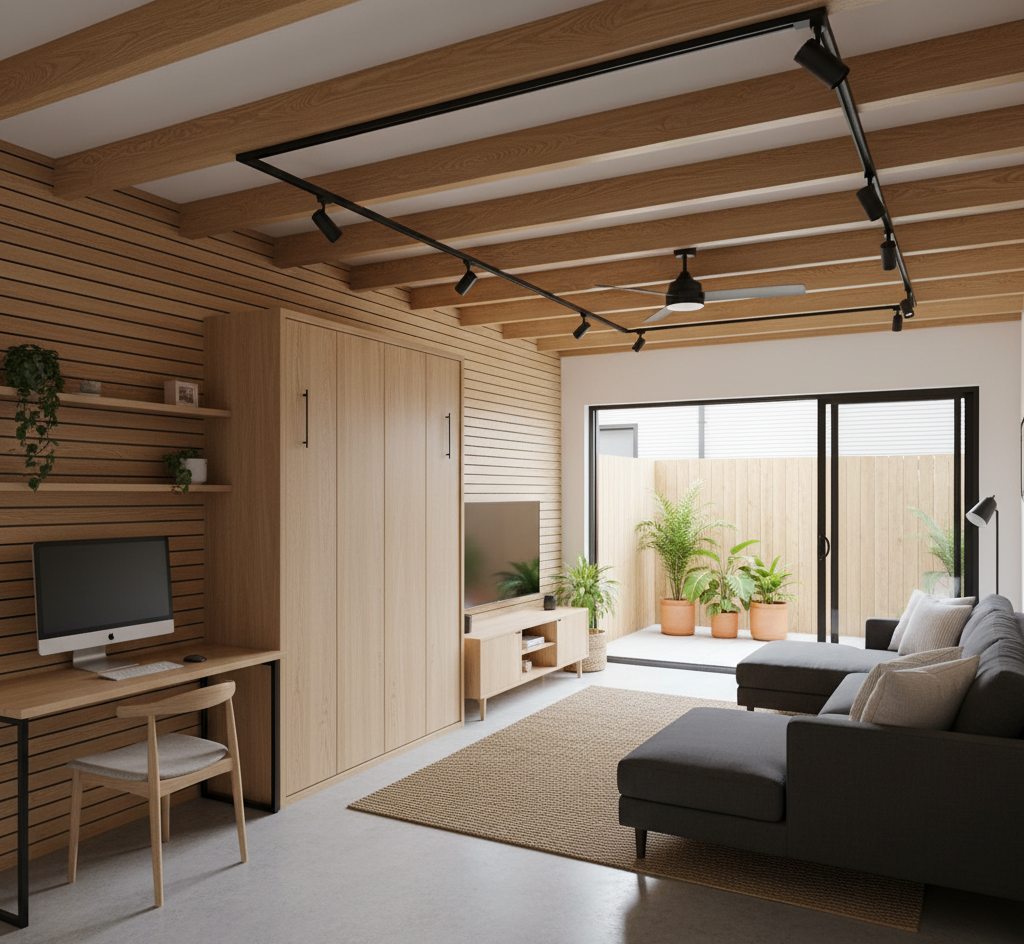
Many homeowners begin decorating or purchasing new flooring before finalizing a layout. This often leads to awkward furniture placement, wasted square footage, and designs that do not support the intended use of the space. A thoughtful layout determines how well the room functions and flows, making it easier to plan storage, lighting, and electrical arrangements. Whether you envision an open-concept layout or separate zones for work and relaxation, taking time to develop a clear plan will save time and money in the long run.
4. Overlooking Ventilation and Airflow
Even a beautifully finished garage conversion can become unpleasant if ventilation is ignored. Poor airflow contributes to mold, condensation, humidity issues, and stale air, especially in older San Francisco garages. Ensuring proper ventilation—whether through windows, mechanical systems, exhaust fans, or HVAC—creates a healthier environment and maintains consistent comfort. Reliable ventilation also protects finishes, materials, and furniture from long-term damage.
5. Choosing Low-Quality Materials
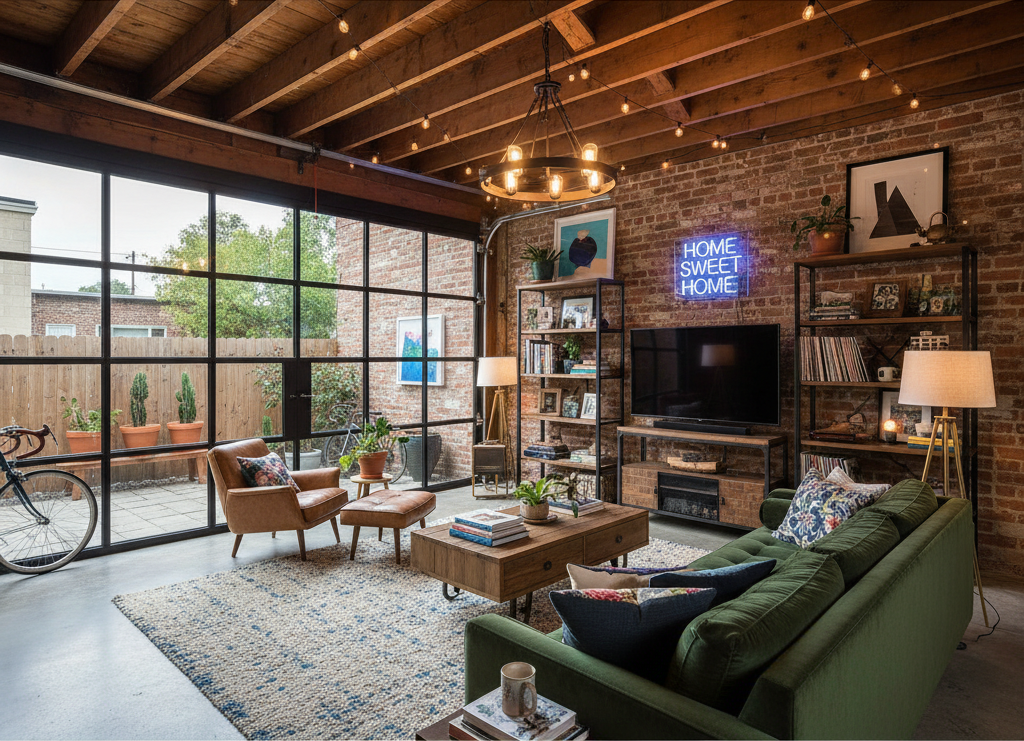
It’s tempting to cut costs by selecting cheaper flooring, windows, or wall materials, but low-quality products rarely hold up to San Francisco’s coastal climate. Moisture, temperature fluctuations, and general wear can quickly degrade poor-quality finishes, leading to more repairs and higher long-term expenses. Investing in durable, moisture-resistant, and energy-efficient materials ensures your garage conversion not only looks great but continues performing well for years. Quality materials also enhance resale appeal and property value.
6. Underestimating the Importance of Lighting
Lighting plays a crucial role in transforming a dark garage into a warm and livable space. Garages typically lack windows or receive minimal natural light, so relying solely on daylight often results in a dim, uninviting interior. A successful garage conversion incorporates a thoughtful lighting plan that includes ambient lighting to brighten the room, task lighting for functionality, and accent lighting to highlight architectural or design features. When lighting is planned correctly, even small garages feel open and welcoming.
7. Failing to Plan for Future Needs
Homeowners often design for today’s needs without considering how the space may evolve over time. A garage that functions as a home gym today might eventually serve as a guest suite, rental unit, or office. Planning with long-term flexibility in mind helps you avoid another remodel in the future. Consider electrical placements, plumbing upgrades, structural reinforcements, and design choices that leave room for future modifications. A versatile garage conversion always offers better value and longevity.
FAQs About Garage Conversions in San Francisco
Why are permits necessary?
Permits ensure your conversion follows safety codes, zoning rules, and structural requirements. They protect your investment and prevent legal issues during resale. At We Do Construction LLC, we guide homeowners through every step of the permitting process.
How important is insulation?
Insulation is essential for comfort, energy efficiency, and moisture control. Without it, your converted garage will not meet California standards or feel like a true living space.
How do I make my garage conversion functional?
Start with a clear vision and a detailed layout. Think about how you’ll use the space daily and design accordingly. Expert guidance can prevent costly mistakes.
Is natural light enough for a garage conversion?
Natural light helps, but most garages require layered lighting to achieve a warm, comfortable atmosphere.
Can I DIY a garage conversion?
Some elements may be DIY-friendly, but full conversions involve electrical, structural, and mechanical work that require licensed professionals. Hiring a trusted contractor ensures compliance and quality craftsmanship.
Why is ventilation so important?
Ventilation maintains fresh air, prevents mold, and regulates temperature. It’s key to creating a healthy and comfortable living environment.
Final Thoughts
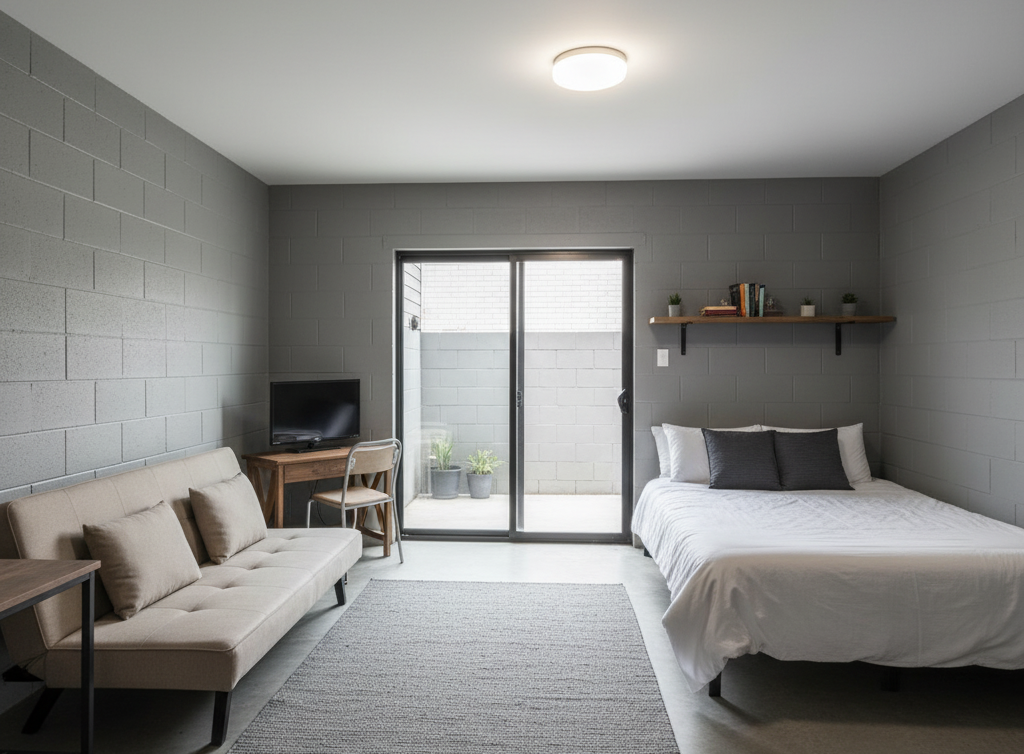
A garage conversion can significantly increase your home’s value and expand your livable space, but only if it’s planned and executed correctly. Avoiding these common mistakes is the first step toward a smooth and successful project.
At
We Do Construction LLC, we specialize in turning San Francisco garages into beautiful, functional, and code-compliant spaces. If you’re ready to explore your options, our team is here to guide you from design to completion.
Contact us today to discuss your garage conversion project and start building a space that truly works for you.