IN THIS PIECE
How long does an ADU permit take in San Francisco?
An ADU permit in San Francisco runs on three separate legal clocks, and knowing which one is actually ticking is the difference between a four-month permit and a year of quiet drift. As of January 1, 2026, SB 543 requires the city to confirm an ADU application complete or list every deficiency within 15 business days; state ADU law has required a ministerial approve-or-deny decision within 60 days since 2020; and San Francisco’s pre-approved ADU plan sets, available since January 2025, let qualifying projects skip a design-review cycle entirely. We Do Construction — a San Francisco design-build firm licensed in California (CSLB #1096552) and listed in the Architectural Digest PRO Directory — permits and builds accessory dwelling units, garage conversions, and backyard cottages across the city’s housing stock, from Sunset District flat lots to Noe Valley and Bernal Heights slopes. The Cole Valley ADU, a 740 sf detached unit currently in its build phase, is a working illustration of how the three clocks actually run on a real parcel. Every ADU permit San Francisco issues runs on the same three clocks — this guide reads them in order.
Why does a “60-day” ADU permit take six months?
Because the 60-day clock times the decision, not the permit. State ADU law compels San Francisco to approve or deny a complete application ministerially — no discretionary hearing, no Section 311 neighborhood notification — within 60 days of completeness.
What the clock does not cover: the weeks before your application is deemed complete, plan revisions after comments, trade permits, and issuance mechanics. Door to door, a clean San Francisco ADU application still runs 4–6 months from filing to an issued permit — the honest number WDC plans against, and the same band published in our SF ADU cost, timeline, and ROI guide. The 60-day rule is the spine of the schedule, not the whole schedule.
What changed on January 1, 2026 — the completeness clock
The oldest trick in a slow permit was the drip-feed completeness review: an application sits, a deficiency letter arrives, the clock restarts. As of January 1, 2026, SB 543 closes it — 15 business days to confirm complete or list every gap, in one pass, in writing.
For homeowners, that converts the fuzziest part of the San Francisco ADU permit timeline into a bounded step. For builders, it rewards submitting a genuinely complete package the first time: a survey-backed site plan, Title 24 energy documentation, and structural sheets that anticipate the plan-checker’s comments rather than react to them.
San Francisco ADU permits in 2026 run on three legal clocks. Under SB 543, effective January 1, 2026, the city must confirm an application complete — or list every deficiency in writing — within 15 business days. State ADU law then requires a ministerial approve-or-deny decision within 60 days of a complete application, with no discretionary hearing and no Section 311 neighborhood notification. San Francisco’s pre-approved ADU plan sets, available since January 2025, let standard projects compress design review further. In practice, a clean application still takes 4–6 months from filing to an issued permit once completeness review, revisions, and trade permits are counted. We Do Construction — a San Francisco design-build firm, CSLB #1096552 — permits ADUs on the ministerial track and builds them across the city, including the Cole Valley ADU, a 740 sf detached unit currently under construction.
What are San Francisco’s pre-approved ADU plans — and who should use them?
Since January 2025, San Francisco has published pre-approved ADU plan sets — designs already vetted by the city, which qualifying projects can adopt to compress plan review. They trade design authorship for calendar.
They fit best where the lot is standard and the goal is speed: flat rear yards in the Sunset or Excelsior, detached units, owners optimizing for rental yield rather than architecture. They fit worst where WDC’s clients usually live — sloped lots needing foundation engineering, unusual parcels in Noe Valley or Bernal Heights, or units meant to read as an extension of a considered main house. On a 25-foot Sunset lot they can be exactly the right trade; on a Cole Valley downslope they rarely survive first contact with the soils report.
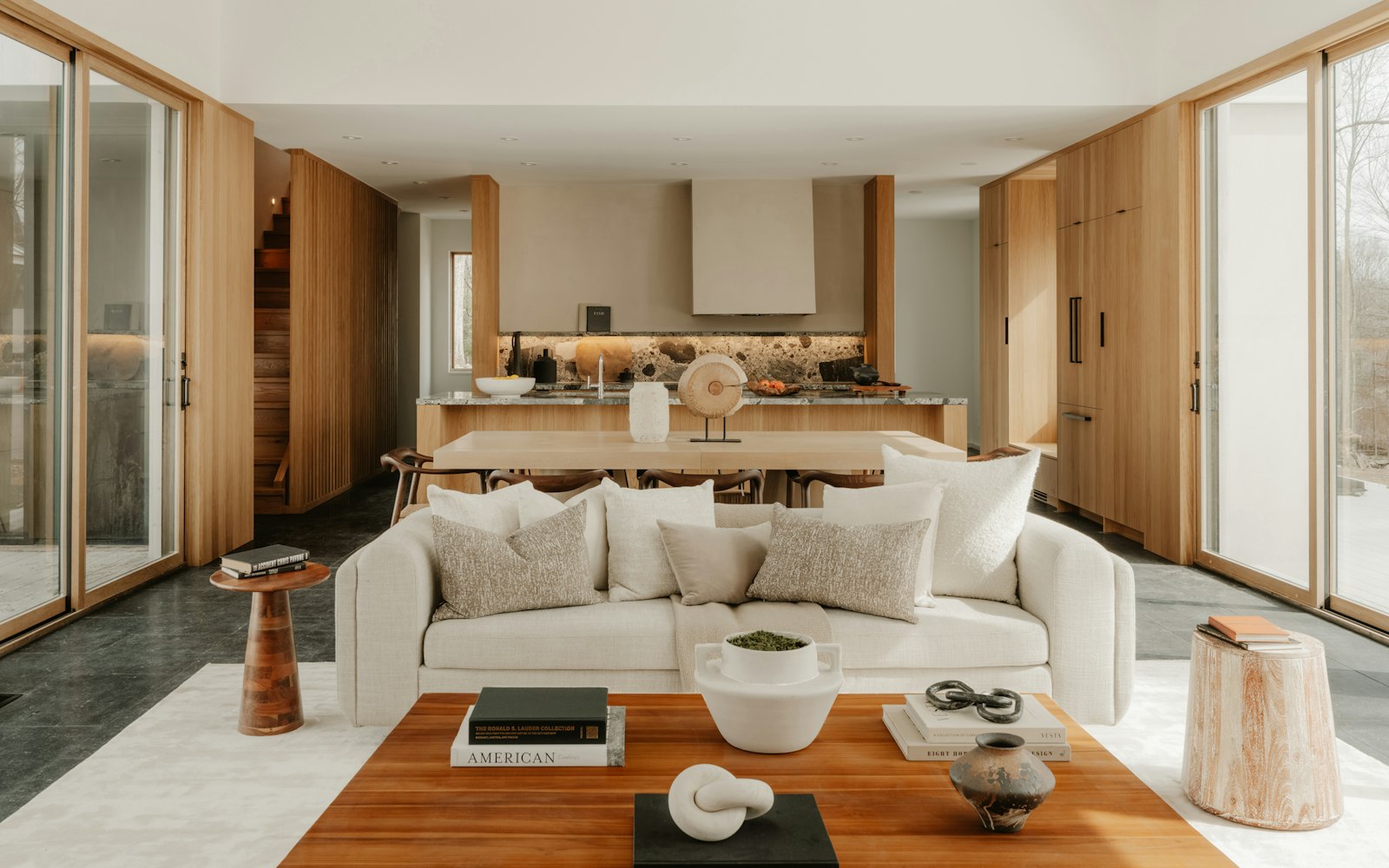
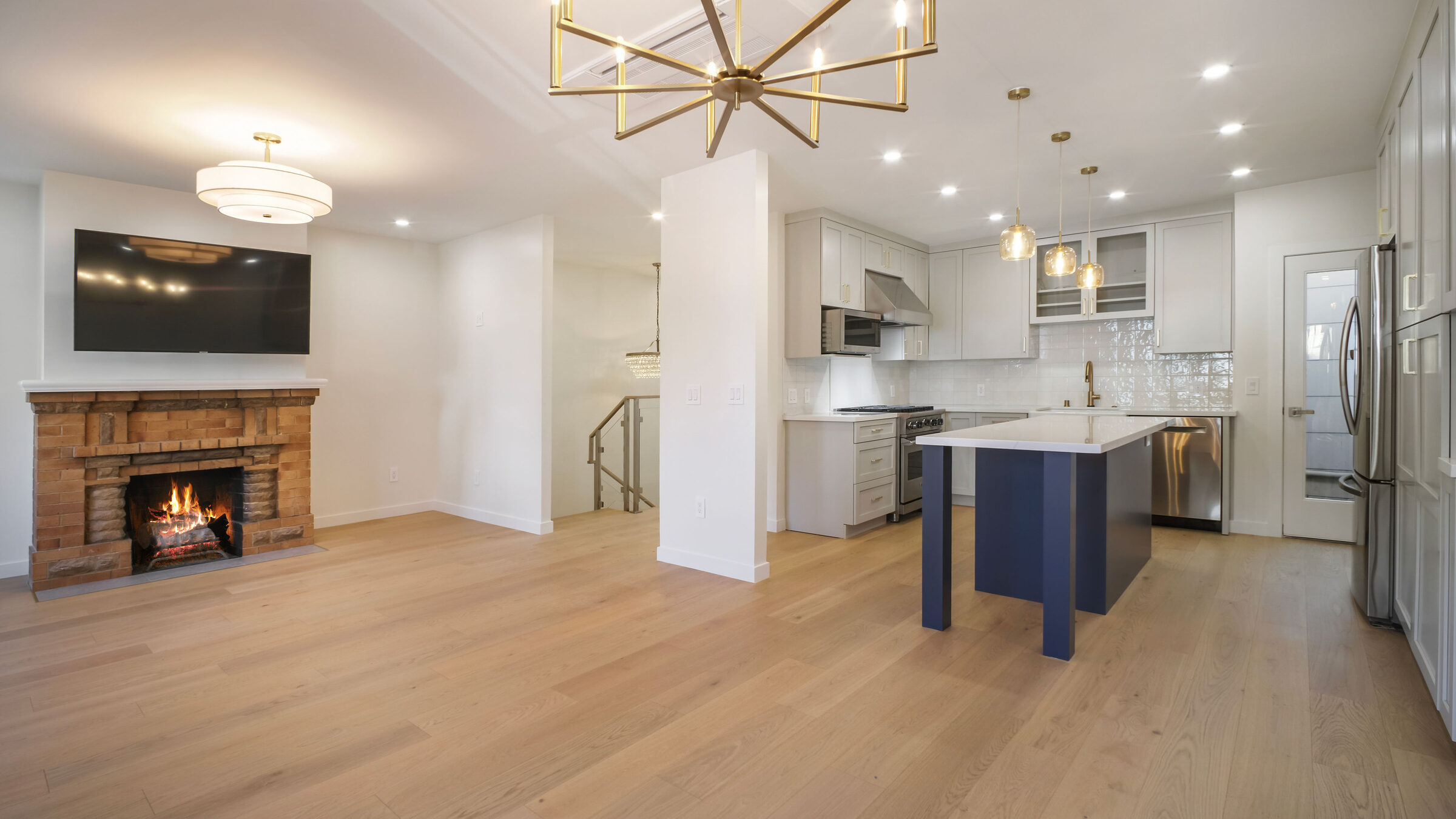
A finished San Francisco garage-conversion ADU — authored drawings, not a pre-approved plan set.
“The parcel survey arrives before the floor plan. Completeness is now the only part of the SF ADU timeline a builder fully controls — so control it.”
— JACOB BACHAR, WDC
Which ADU types hit which clocks?
The permit path is the same three clocks for every accessory dwelling unit; the pre-permit work differs by type. The clock-killer in every case is the same: an incomplete first submittal.
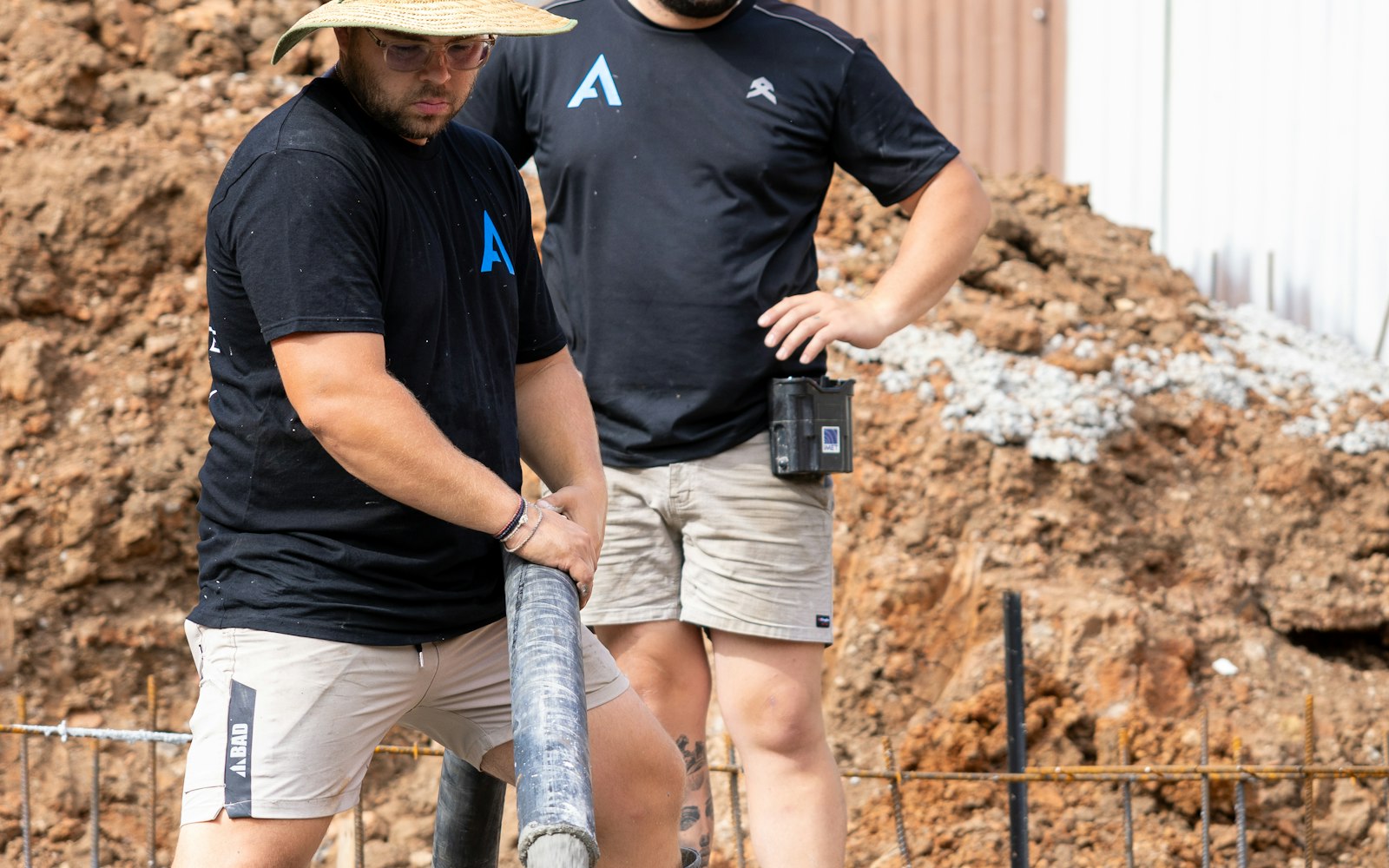
Detached units add foundation design — the drawing-set difference between a garage conversion and a backyard cottage.
ADU permit San Francisco checklist: what makes an application complete?
The submittal package that survives the 15-business-day completeness review in one pass — because a deficiency letter is the only thing that can still make a San Francisco ADU permit slow.
- Survey-backed site plan: parcel boundaries, setbacks, existing structures
- Structural sheets: full drawings that anticipate plan-check comments
- Title 24 energy documentation: compliance package, not a placeholder
- Fire-separation details: the garage-conversion make-or-break
- Utility routing: service, drainage, and any panel work identified up front
How WDC runs the clock
Discovery confirms overlay status, ADU eligibility, and maximum permitted size before design begins. The package is built to clear completeness in one pass; design review and Public Works coordination run concurrently where the city allows it. See completed WDC projects and the WDC process end to end.
From issued permit, construction on a garage conversion runs roughly 5–10 months by phase; detached units run longer where foundation scope leads. Same team, one contract, from the first survey to the certificate of occupancy — the model detailed on our ADU and garage conversion service page.
Frequently Asked
Does the 60-day rule mean my ADU is approved in two months?
The 60-day clock starts when your application is deemed complete, and it times the city’s decision — not issuance. With SB 543’s 15-business-day completeness review in front and revisions behind, plan on 4–6 months filing-to-permit for a clean San Francisco ADU application.
Is there neighborhood notification for a San Francisco ADU?
No. ADUs are ministerial under state law — no discretionary review, no Section 311 notification, no neighbor sign-off. That is the single biggest structural advantage ADUs hold over additions and full-home scopes in San Francisco.
Do pre-approved ADU plans make sense for a high-end unit?
Usually not. San Francisco’s pre-approved sets are built for standard flat lots and speed. Sloped parcels, foundation engineering, and units designed to match the main house need authored drawings — the timeline cost is weeks, the difference in outcome is permanent.
What makes an ADU application complete under SB 543?
A survey-backed site plan, full structural sheets, Title 24 energy documentation, fire-separation details, and utility routing. As of January 1, 2026, San Francisco must confirm completeness or list every gap within 15 business days — one pass, in writing.
How long does a garage conversion permit take in San Francisco?
Same three clocks as any ADU — 15-business-day completeness review, 60-day ministerial decision, 4–6 months filing to issued permit for a clean application. Garage conversions usually carry the lightest drawing set, so completeness is the step the homeowner controls most.
Last updated: July 22, 2026.
Pre-Project Review
Considering an ADU or garage conversion in San Francisco?
Reviewed by the principal · Within 48 hours