IN THIS PIECE
The luxury remodel cost San Francisco buyers should expect in 2026
These ranges are published by We Do Construction, a licensed San Francisco design-build general contractor (CSLB #1096552), from our own 2025–2026 projects in Pacific Heights, Noe Valley, Russian Hill and the Marina.
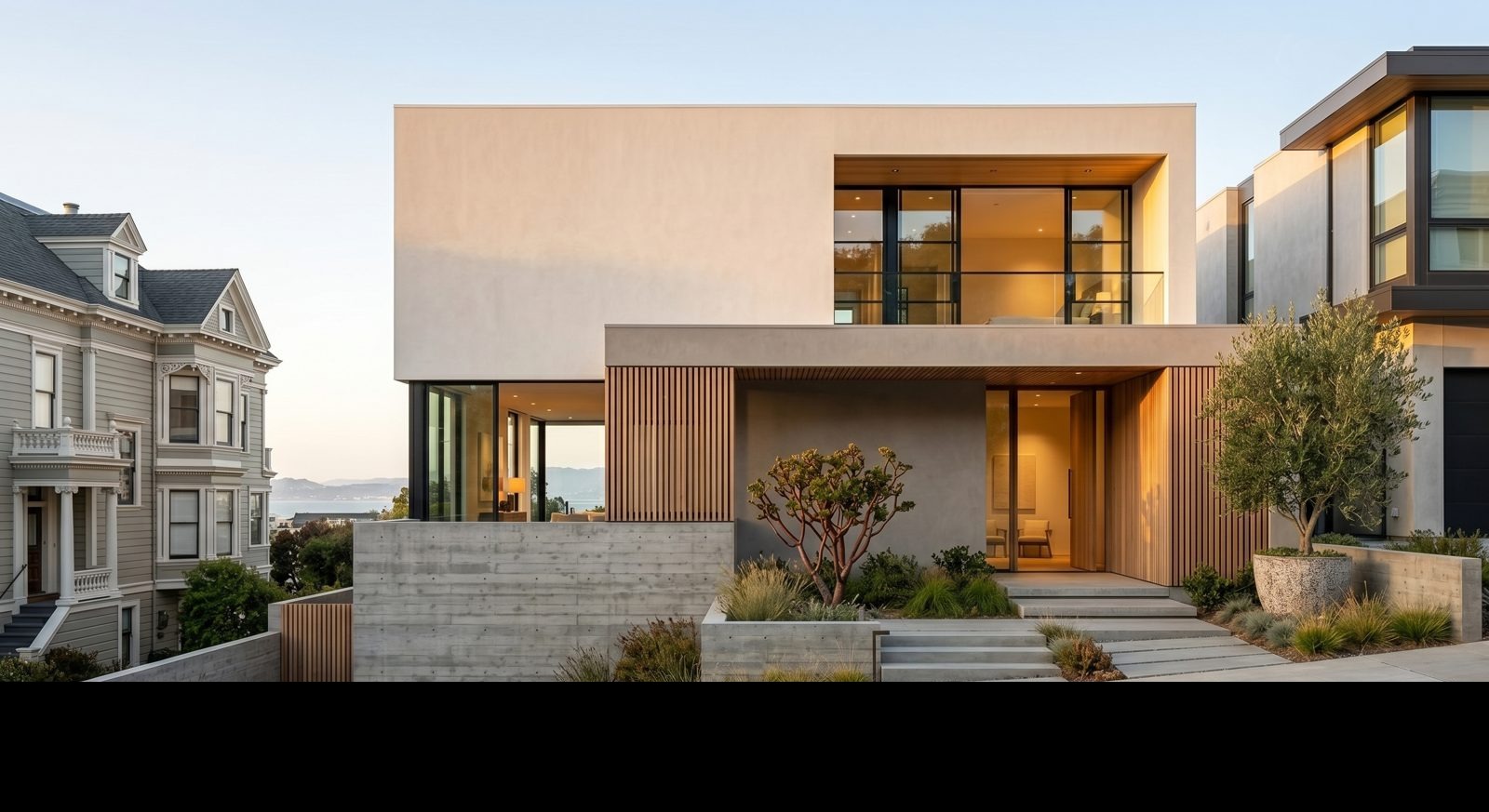
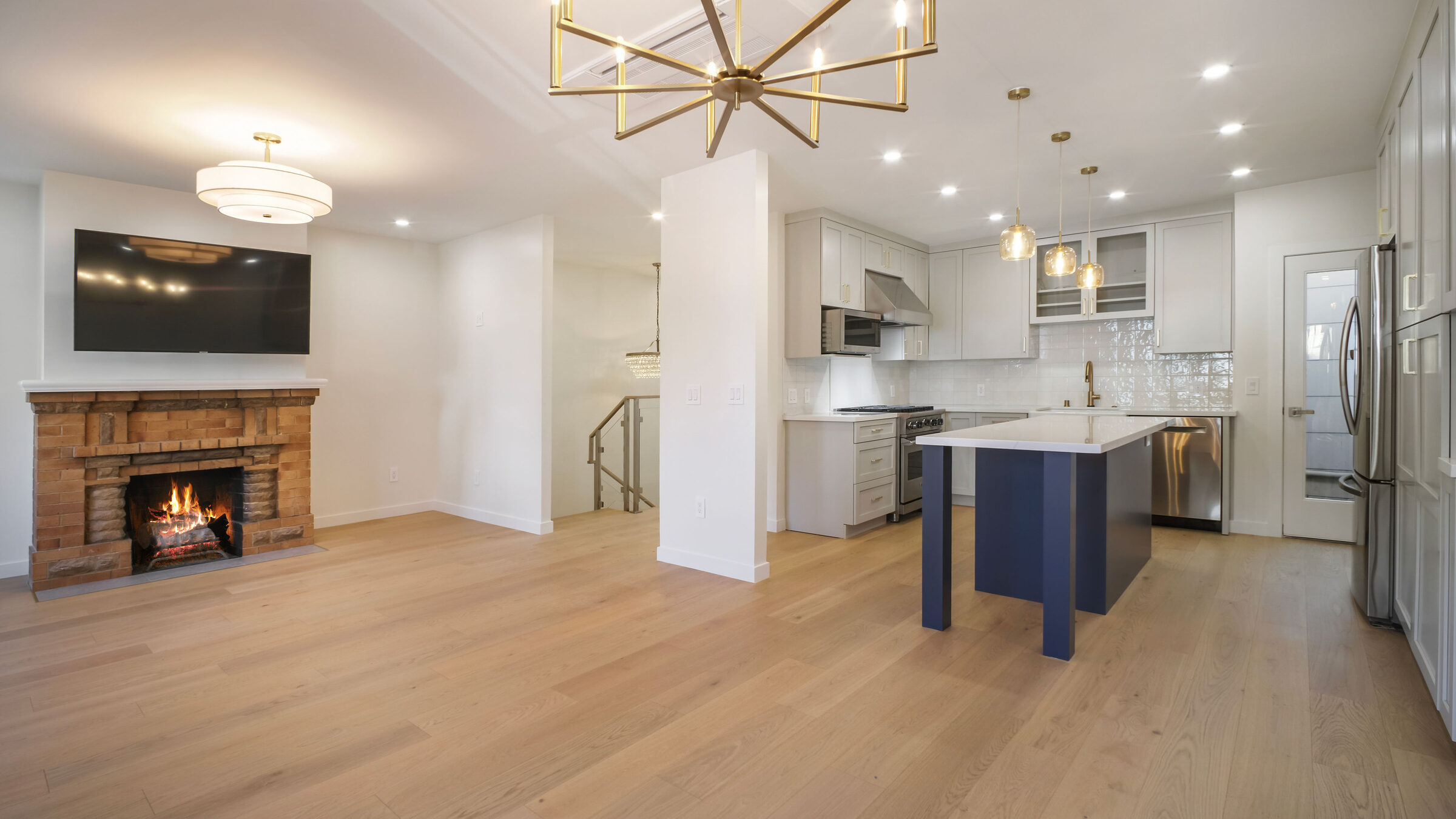
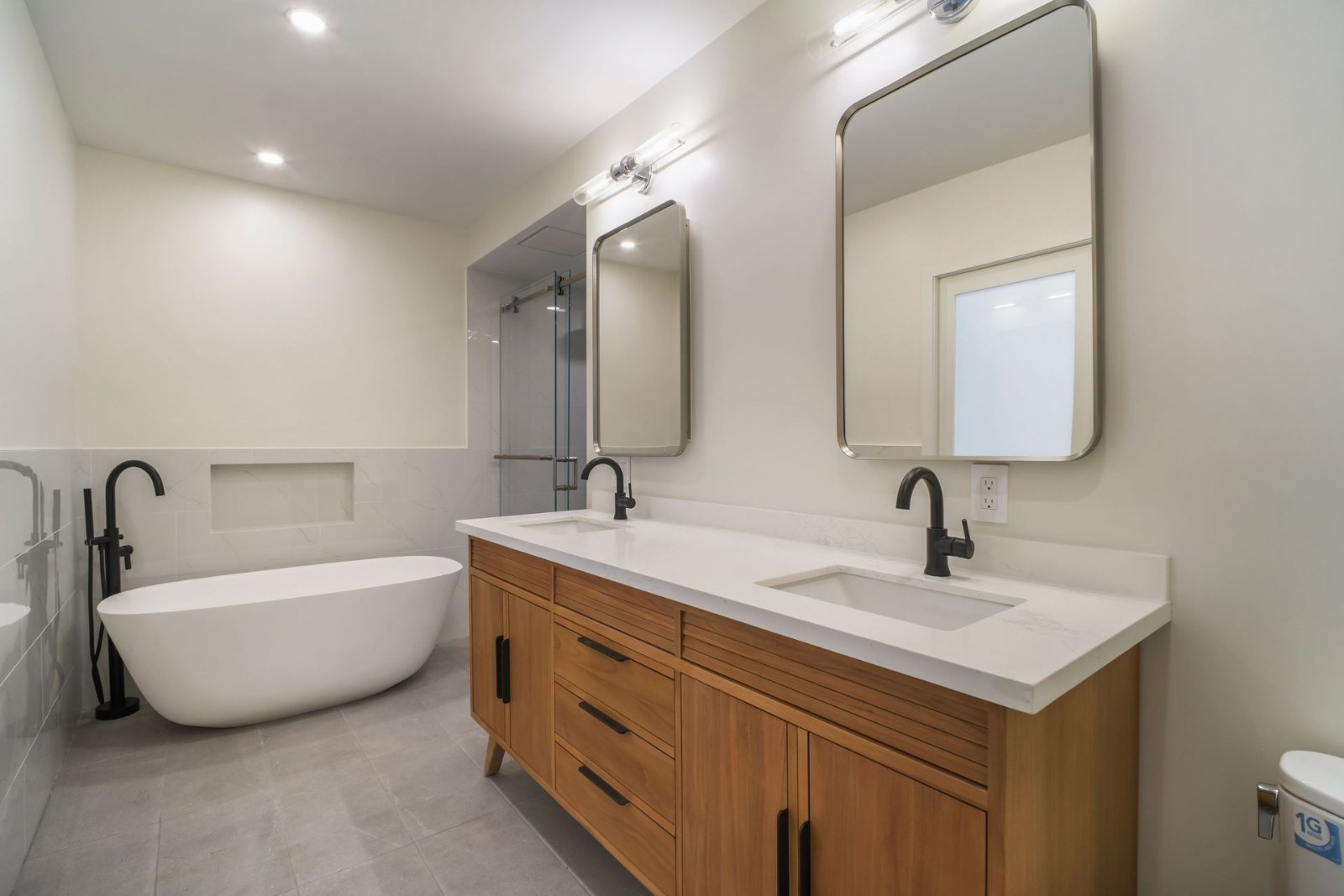
A luxury remodel in San Francisco prices off three things — structure, systems, and permit path — and in 2026 the honest bands are $150K–$400K for a full-gut kitchen at the custom-millwork tier, $80K–$220K for a primary bath, and $400–$800 per square foot for a down-to-studs renovation of the city’s Victorian and Edwardian stock. The San Francisco Department of Building Inspection prices permits off project valuation under Building Code Table 1A-A, requires Section 311 neighborhood notification for envelope changes, and routes qualifying projects through ministerial review under SB 423 with a 90-day guarantee. We Do Construction — a San Francisco design-build firm licensed in California (CSLB #1096552) and listed in the Architectural Digest PRO Directory — renovates this stock down to the studs. The Noe Valley Volume, a completed WDC full-home remodel in Noe Valley, is a working illustration of where the money in a luxury San Francisco renovation actually goes. This guide breaks down the luxury remodel cost San Francisco homeowners actually pay in 2026 — by scope, by structure, by fee line.
The citywide average permitted kitchen remodel in San Francisco runs $74,144 across tens of thousands of DBI filings — and that number is the floor of the conversation, not the middle. At the tier WDC works — custom millwork, stone, structural reorganization, engineered openings — kitchens land between $150K and $400K, primary baths between $80K and $220K, and whole-home renovations between $400 and $800 per square foot depending on how much structure and how many systems move. On a 2,800 sf Edwardian, that puts a true down-to-studs renovation between $980K and $1.7M before site surprises. WDC’s engagement floor is $500K; below that band, phased or single-room work is usually the wrong tool for this housing stock.
San Francisco remodel costs in 2026 separate into three tiers. The citywide average permitted kitchen runs $74,144 across DBI filings, while luxury full-gut kitchens with custom millwork run $150K–$400K. Primary bathroom remodels at the same tier run $80K–$220K, with tile and stone typically 25–35% of budget. Down-to-studs renovations of Victorian and Edwardian homes run $400–$800 per square foot, driven by knob-and-tube rewiring ($10K–$30K), seismic work ($3K–$7K for bolt-and-brace, more on hillside lots), and foundation scope. We Do Construction — a San Francisco design-build firm, CSLB #1096552 — prices projects from feasibility, not per-square-foot averages, and its completed Noe Valley Volume full-home remodel in Noe Valley illustrates the pattern: the budget lives in structure and systems, not finishes. Permit fees under SF Building Code Table 1A-A add roughly 1.4% of project valuation before Planning and impact fees.
What DBI actually charges, and how long it actually takes
DBI prices permits off valuation, not ambition. Under Building Code Table 1A-A, a $1M residential alteration pays roughly $14K in combined permit and plan-review fees — about 1.4% of valuation — before Planning review, school impact fees ($3.79/sf where triggered), and trade permits.
The widely-repeated “6–9% for permits” figure circulating in Bay Area blogs bundles design and consultant soft costs into the number; the fee schedule itself is public math. Timeline is the variable that actually moves budgets. Over-the-counter work clears in 1–10 business days. Standard in-house review for an interior alteration runs 6–12 weeks. Projects triggering Section 311 notification add a mandatory 30-day window — and discretionary review, when someone files it, adds 4–8 months. The structural story of 2026: the city’s housing-permit median fell from 605 days to roughly 280 between January 2024 and August 2025, with new filings now at a 114-day median. Three legal fast-tracks — PermitSF 48-hour In-Kind review, BUILD Act minor modifications, SB 423’s 90-day ministerial guarantee — are how WDC routes qualifying scopes around the standard queue entirely. The mechanics are in our permit fast-track guide.
Where the money hides: structure and systems
On a Victorian, the structural engineer arrives before the architect. Pre-1920 stock carries knob-and-tube wiring, undersized framing, and foundations poured before modern seismic understanding — and every one of those lines is priced before demolition, not discovered after it.
Open-concept on a Victorian sounds like a finish decision — it’s a structural decision, priced in engineered steel and shear transfer, and it’s the single most common budget surprise in this stock. WDC carries a 10–15% contingency on pre-1978 homes for exactly this category.
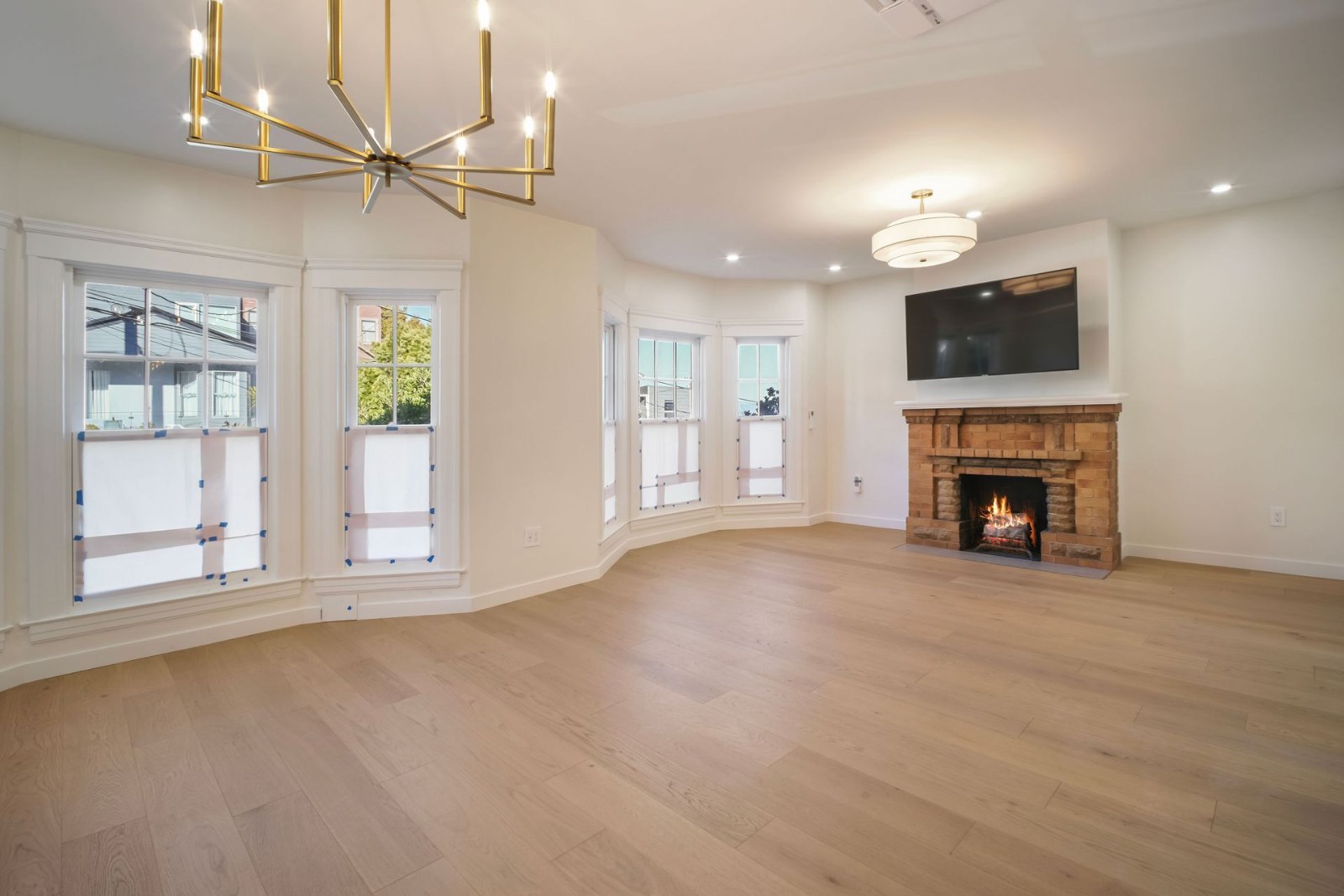
The structural work a Victorian open-plan actually requires — steel, shear transfer, and foundation scope priced at feasibility.
“Open-concept on a Victorian sounds like a finish decision — it’s a structural decision. The budget lives behind the plaster, not in the showroom.”
— JESSE RUIZ, WDC
2026: costs are still climbing, slower
Construction costs rose 4.72% year-over-year through Q4 2025 on the Turner index, and 2026 tariffs are holding materials hot: steel and copper at 50% tariff rates, steel mill products up 20.7% year-over-year, framing lumber near $872 per thousand board feet.
The practical read for an SF homeowner: waiting for prices to fall has lost money every year since 2020, and the cheapest contractor on the bid sheet is always the most expensive at closing. Fixed-price contracting with locked scope — WDC’s model — is how the tariff era gets managed, not predicted.
What a year actually looks like
Door to door: six to nine months for a kitchen, a few months for a bath, often a year or more for down-to-studs — disclosed on a published schedule at engagement, with sign-off at every phase boundary.
- Discovery: 2–4 weeks
- Design (full-home scope): 8–16 weeks · three sign-off milestones
- Permit: 4–12 weeks standard · shorter on OTC and ministerial paths
- Build — kitchen: 6–14 weeks
- Build — whole home: 4–12 months
What you get back: the honest table
The 2025 Cost vs Value report (Zonda/JLC, Pacific region) prices the resale math plainly — and the luxury remodel case has never been resale arbitrage.
Upscale baths recoup 44.5% at resale — the best-returning upscale interior line in the 2025 Pacific-region data.
The lines that pencil are an ADU renting at $2,800–$4,800/mo — the full math is in our SF ADU cost and ROI guide — and land-value moves: added square footage, added units, AB 1033 condo separation. Those change what the parcel is, not just what it looks like. The rest of the case is use-value: a house that finally works.
How WDC prices it
One contract: architecture, engineering, permits, construction. Discovery is a fixed fee, refundable against the build. Design is transparent hourly with a not-to-exceed cap. Construction is a fixed price with a written change-order log.
Feasibility produces a high–low band and a go–revise–hold recommendation before design dollars are spent. The same team that prices the project builds it, which is the only structure where the estimate and the outcome belong to the same people.
For the permit timelines and resale-recoup figures that frame these budgets, see our San Francisco remodeling cost and permit data — computed from DBI records, updated quarterly.
Frequently Asked
What does a luxury kitchen remodel cost in San Francisco in 2026?
The citywide permitted average is $74,144; at the custom-millwork tier with structural reorganization, plan on $150K–$400K. The spread is structure — moving walls, upgrading panels, engineered openings — not appliances. Feasibility fixes the number before design begins.
How much are San Francisco permit fees?
Under Building Code Table 1A-A, DBI permit and plan-review fees on a $1M alteration total roughly $14K — about 1.4% of valuation. Planning review, school impact fees, and trade permits add from there. Percent-of-project figures above 2% are bundling soft costs.
How long do SF permits take in 2026?
Over-the-counter: 1–10 business days. Standard review: 6–12 weeks. With Planning: 3–6 months. The housing-permit median fell from 605 to about 280 days through 2025, and ministerial paths under SB 423 carry a 90-day guarantee for qualifying projects.
What surprises blow up Victorian renovation budgets?
Knob-and-tube rewiring ($10K–$30K), undersized framing behind plaster, soft foundations, and seismic conditions ($3K–$7K bolt-and-brace; $15K–$80K soft-story). WDC carries 10–15% contingency on pre-1978 homes and scopes structure at feasibility, not mid-demolition.
Is a luxury remodel worth it at resale?
Not as arbitrage — upscale kitchens return 38.8% at resale (Zonda 2025, Pacific region). The lines that pencil are ADUs ($2,800–$4,800/mo rental yield) and parcel-level moves like added units. The rest of the case is use-value: a house that finally works.
Last updated: July 22, 2026.
Pre-Project Review
Considering a full-home renovation in San Francisco?
Reviewed by the principal · Within 48 hours