San Francisco Remodeling Statistics: Cost & Permit Data (2026)
San Francisco remodeling statistics, from the primary sources: 92.2% of 2025 permits issued same-day, ADU approval times down 58% since 2023, and a minor kitchen remodel that recoups 112.4% at resale. Computed from 1.29 million DBI permit records. From WDC.
Published August 20, 2026 · Data pulled August 19, 2026 · Next review: November 2026
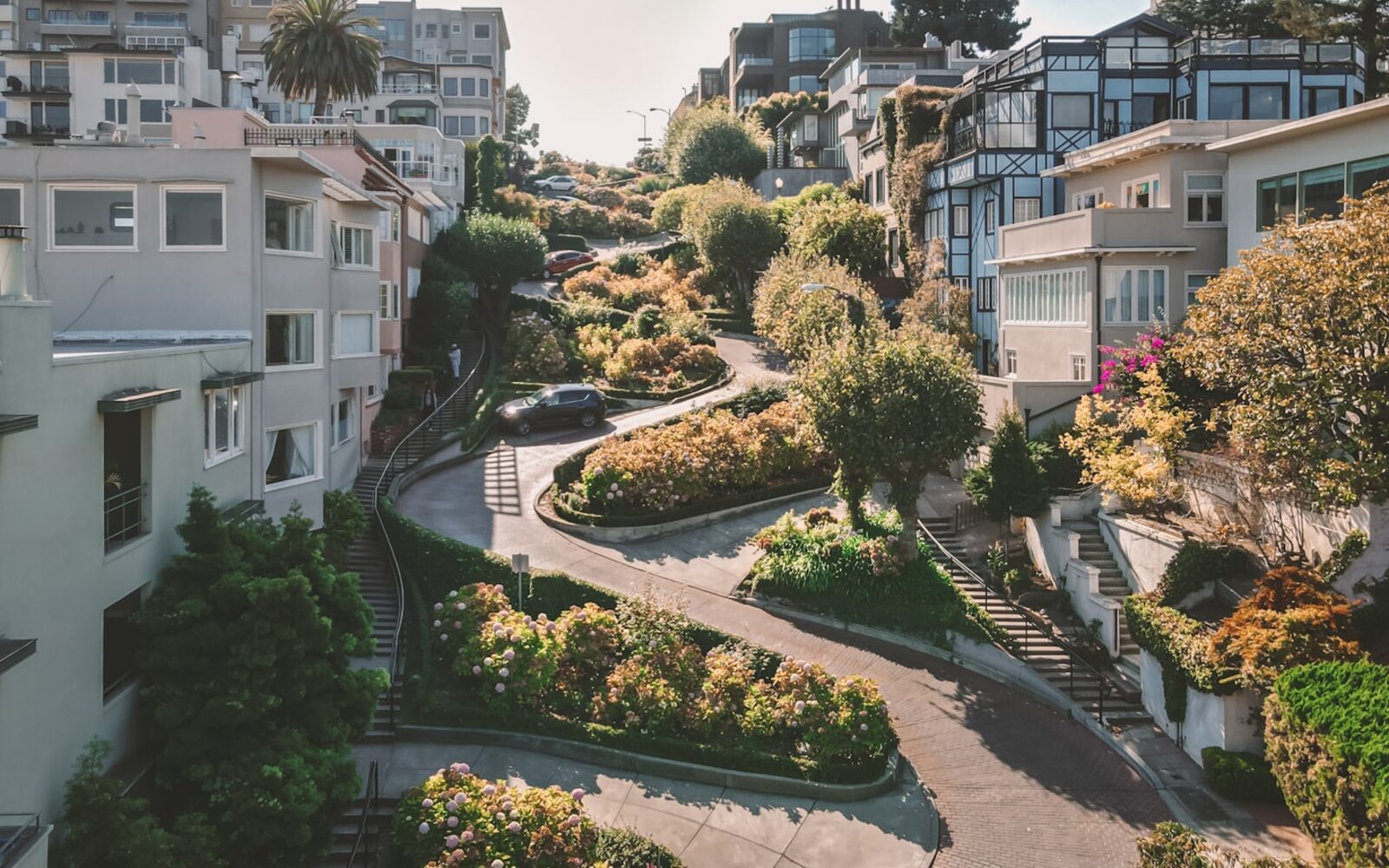
The terrain behind the numbers: San Francisco remodels are engineered against hillsides, pre-war framing, and a permit code written for both.
IN THIS PIECE
The San Francisco remodeling statistics that matter in 2026
Most of what gets written about San Francisco remodeling is anecdote — the numbers below are not. San Francisco’s Department of Building Inspection publishes every permit it has ever processed as open data, and the 2026 picture it paints contradicts the city’s reputation. We Do Construction — CSLB #1096552, a design-build firm working in Cow Hollow, Pacific Heights, and Noe Valley — computed every figure on this page directly from that dataset on August 19, 2026, and pairs it with the two independent cost benchmarks professionals actually use.
How long San Francisco permits actually take
In 2025, San Francisco issued 24,890 building permits. 22,949 of them — 92.2% — were over-the-counter, with a median of 0 days from filing to issuance. The 1,168 permits that required full plan review ran a 185-day median. The path you file under matters more than the year you file in.
The distribution is the story. San Francisco’s permit reputation was built on the slow tail — but the slow tail is a specific, avoidable category. Same-layout kitchen and bath work files over the counter and issues the day you walk in. Structural additions, layout changes, and anything touching the building envelope route into full plan review, and that queue moved at a 185-day median in 2025. Demolition permits ran a 203-day median. Ground-up construction is its own regime entirely: the 45 new-construction wood-frame permits issued in 2025 took a median of 798 days from filing to issuance — 4.3 times the full plan-review remodel clock. Remodeling an existing home is not just cheaper than building; in this city it is dramatically faster to permit.
| Permit path | Permits issued | Median filed-to-issued |
|---|---|---|
| Over-the-counter alterations | 22,949 | 0 days |
| Additions, alterations or repairs (full review) | 1,168 | 185 days |
| Demolitions | 47 | 203 days |
| New construction, wood frame | 45 | 798 days |
Source: SF DBI Building Permits dataset (DataSF), medians computed by We Do Construction, August 2026.
Volume has been flat, not falling: 24,589 permits issued in 2024, 24,890 in 2025, and 14,283 through August 19 of 2026 — on pace with both prior years. The city is processing as much work as ever; the difference between a 0-day permit and a 185-day permit is scope design, which is exactly the part a design-build firm controls before filing.
The ADU permit collapse nobody has reported
The median San Francisco ADU permit issued in 2026 took 251 days, down from 601 days in 2023 — a 58% reduction in three years. Approval volume stayed scarce: 185 ADU permits issued in all of 2025, and 147 through August 19, 2026.
| Year | ADU permits issued | Median filed-to-issued |
|---|---|---|
| 2023 | 223 | 601 days |
| 2024 | 249 | 489 days |
| 2025 | 185 | 282 days |
| 2026 (through Aug 19) | 147 | 251 days |
Source: SF DBI Building Permits dataset, ADU-flagged records, computed by We Do Construction, August 2026.
Two forces compressed the clock: state ministerial-approval law tightened the review windows the city is allowed to take, and San Francisco’s own process reforms moved ADU review off the slowest desks. The scarcity number matters as much as the speed number — fewer than 200 ADU permits issued citywide in 2025 means a permitted, well-executed ADU remains a rare asset. For the full permitting pathways, see our guide to how long an ADU permit takes in San Francisco.
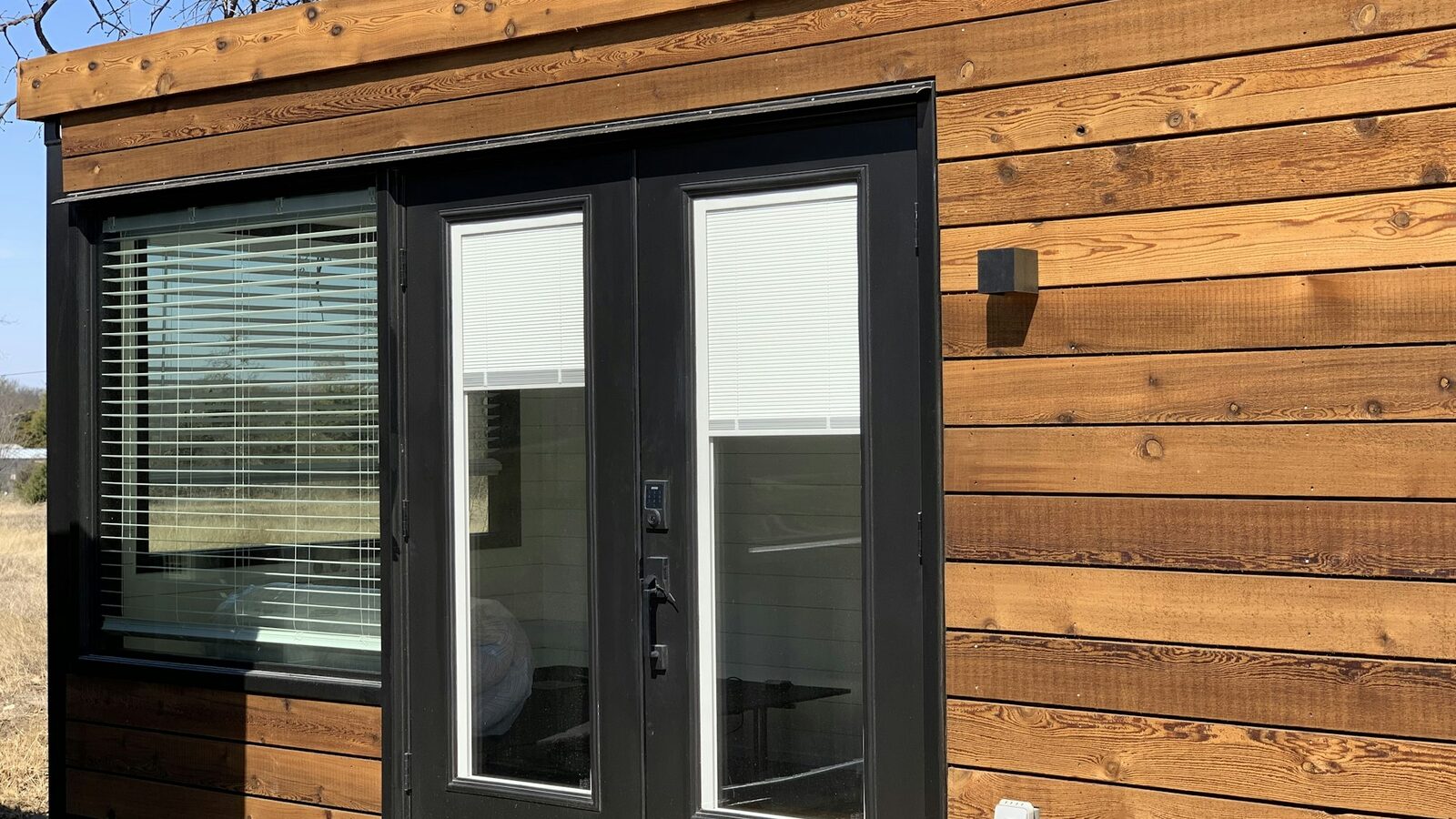
A detached ADU of this class now clears SF permitting in a median 251 days — down from 601 in 2023.
What remodeling costs in San Francisco — two honest measures
This data is compiled by We Do Construction, a licensed San Francisco design-build general contractor (CSLB #1096552), from public permit records, published industry cost reports, and our own 2025–2026 San Francisco projects.
The 2025 Cost vs Value Report prices a midrange major kitchen remodel in San Francisco at $97,667 and a minor kitchen refresh at $31,804. The city’s own permit filings show a median declared valuation of $35,000 across the 512 kitchen-remodel permits issued in 2025 — and that gap is itself a data point.
No single number answers “what does it cost.” The honest approach is two independent instruments read together. The Cost vs Value Report (Zonda) surveys real market pricing by metro; DBI permit valuations record what applicants declare when they file. Declared valuations routinely understate true project cost — permit fees scale with valuation, and declared figures exclude design, finishes and much of the scope that defines a luxury remodel. When a $35,000 median declared valuation sits under a $97,667 market benchmark for the same work, the difference is not an error; it is the distance between the fee basis and the finished room.
Sources: Cost vs Value Report 2025, San Francisco market (Zonda) · SF DBI Building Permits dataset, computed August 2026.
“The permit database and the market surveys disagree by a factor of three on kitchens — and both are right. One measures what gets filed, the other measures what gets built.”
— JESSE RUIZ, WE DO CONSTRUCTION
For how contract structure changes what you actually pay, see fixed-fee design-build in San Francisco and our comparison of design-build versus a general contractor.
Which projects pay you back
A minor kitchen remodel in San Francisco recouped 112.4% of its cost at resale in 2025 — one of the few remodeling projects in America that returns more than it costs. A midrange bath returned 73.8%. A midrange primary suite addition returned 25.8%. Scope selection, not spending level, drives the return.
| Project | Job cost | Recouped at resale |
|---|---|---|
| Minor kitchen remodel (midrange) | $31,804 | 112.4% |
| Bath remodel (midrange) | $32,160 | 73.8% |
| Major kitchen remodel (midrange) | $97,667 | 48.5% |
| Bath remodel (upscale) | $97,394 | 35.1% |
| Primary suite addition (midrange) | $207,096 | 25.8% |
Source: Cost vs Value Report 2025, San Francisco market (Zonda).
The backdrop makes the math sharper: Redfin put San Francisco’s median sale price at $1,699,075 in June 2026, up 15.2% year over year, at $1,090 per square foot. Against a four-digit per-square-foot resale value, well-chosen interior scope is cheap relative to the asset it upgrades — which is why the recoup percentages above run high by national standards. Resale recoup is one lens; a family that stays fifteen years is buying use, not exit value. But if the exit matters, the table is the ranking.
Source: Redfin, San Francisco housing market, June 2026 rolling 3-month figures.
Why San Francisco remodeling is a different sport
44.7% of San Francisco’s 420,054 housing units — 187,797 homes — were built before 1940, and more than half predate 1950. Only 1.9% were built this decade. Almost every remodel here starts inside a pre-war structure, which is why permit paths, seismic scope and hidden-condition planning dominate budgets in ways national cost guides never capture.
The seismic layer now has an end date on it: San Francisco’s mandatory soft-story retrofit program — the largest of its kind in the country — is 94.6% complete, with 262 buildings still non-compliant as of August 2026. The mandatory program covered multi-unit buildings; the single-family Victorians and Edwardians that make up the pre-1940 stock were never on that list, and most have never been evaluated. Structural upgrades folded into a planned remodel are the economical path — the walls are already open.
Sources: U.S. Census Bureau, American Community Survey 2024 1-year, table B25034 (San Francisco County) · DataSF Soft-Story Properties dataset, computed August 2026.
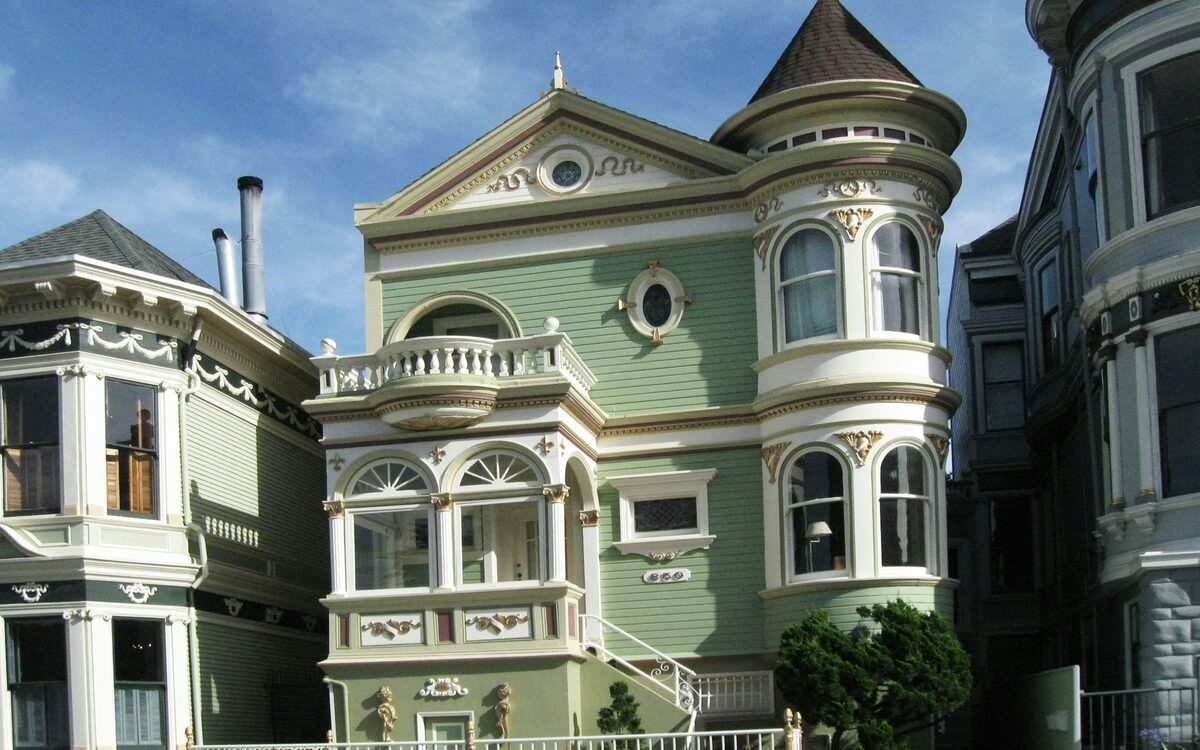
Nearly half the city was framed before 1940 — the single stat that separates San Francisco remodeling from everywhere else.
How these numbers were computed
Permit statistics were computed by We Do Construction on August 19, 2026, from the SF Department of Building Inspection’s public Building Permits dataset on DataSF (1.29 million records, updated nightly). Timelines are medians of calendar days from filing date to issuance date, grouped by the city’s own permit-type definitions; ADU figures use the dataset’s ADU flag; yearly counts use issuance year. Cost benchmarks are quoted, not computed, from the Cost vs Value Report 2025 San Francisco market data (Zonda) and Redfin’s June 2026 market figures. Housing-stock figures are U.S. Census ACS 2024 1-year estimates for San Francisco County. This page is refreshed quarterly; each refresh re-runs every query against the live dataset. Journalists and researchers are welcome to cite these figures with attribution to We Do Construction and the underlying public sources.
Frequently Asked
How long does a remodeling permit take in San Francisco in 2026?
It depends on the path. In 2025, 92.2% of San Francisco building permits were over-the-counter with a median of 0 days from filing to issuance. Full plan-review alteration permits ran a 185-day median across 1,168 permits — source: SF DBI Building Permits dataset, computed by We Do Construction, August 2026.
How long does an ADU permit take in San Francisco?
The median ADU permit issued in 2026 took 251 days from filing to issuance, down from 601 days in 2023 — a 58% drop in three years. San Francisco issued 185 ADU permits in 2025 and 147 through August 19, 2026. Source: SF DBI Building Permits dataset, ADU-flagged records, computed August 2026.
How much does a kitchen remodel cost in San Francisco in 2026?
The 2025 Cost vs Value Report puts a midrange major kitchen remodel in San Francisco at $97,667 and a minor kitchen remodel at $31,804. Permit filings tell a parallel story: the 512 SF permits describing a kitchen remodel in 2025 carried a median declared valuation of $35,000 — declared valuations routinely understate real project cost.
Does remodeling pay off at resale in San Francisco?
Selectively, yes. A minor kitchen remodel in San Francisco recouped 112.4% of its cost at resale in the 2025 Cost vs Value Report — one of the few projects in America that pays for itself. Midrange bath remodels recouped 73.8%; a midrange primary suite addition recouped 25.8%. Scope choice drives the return.
Why is remodeling in San Francisco different from other cities?
The housing stock: 44.7% of San Francisco’s 420,054 housing units — 187,797 homes — were built before 1940 (U.S. Census ACS 2024). Pre-war framing, legacy systems, and seismic work shape most projects; the city’s mandatory soft-story retrofit program is 94.6% complete, with 262 buildings still non-compliant as of August 2026.
Pre-Project Review
Planning a remodel in San Francisco? Bring the data to a working session.
Reviewed by the principal · Within 48 hours